What is the Best of Congo Cooperatives?

Best of Congo Cooperatives is a joint initiative of African Coffee Connect and CongoAgri Platform, built to put Congolese specialty coffee where it belongs: on the global stage.

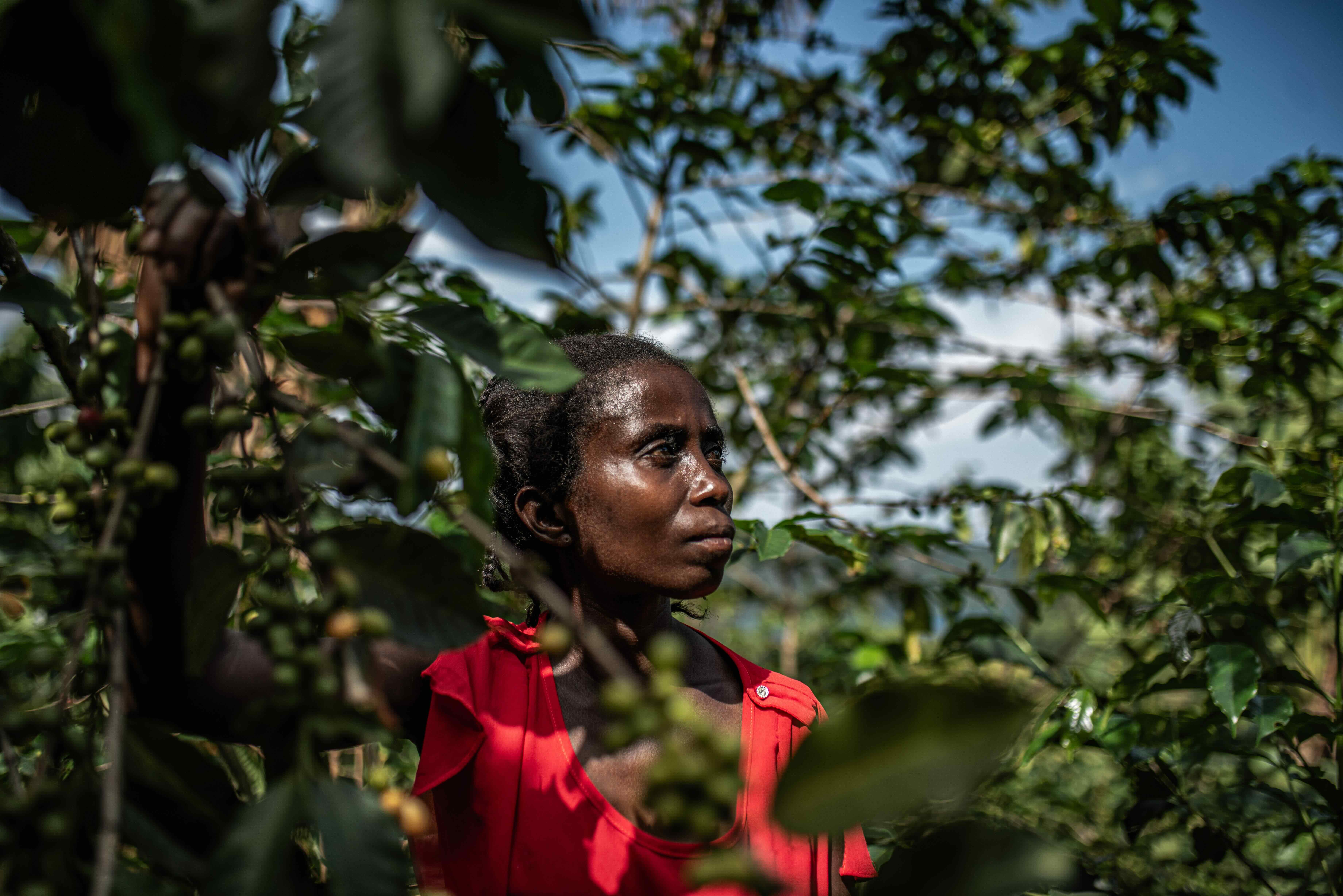
Over the years, BOCC has become the reference point for discovering exceptional DRC lots and connecting the cooperatives that produce them with serious international buyers. The competition is rigorous. The coffees speak for themselves. And the producers behind them are doing something remarkable.

This year, 14 international winners are featured in the auction, while 18 national winners will be available shortly on our offer list.

Processing Methods

Natural

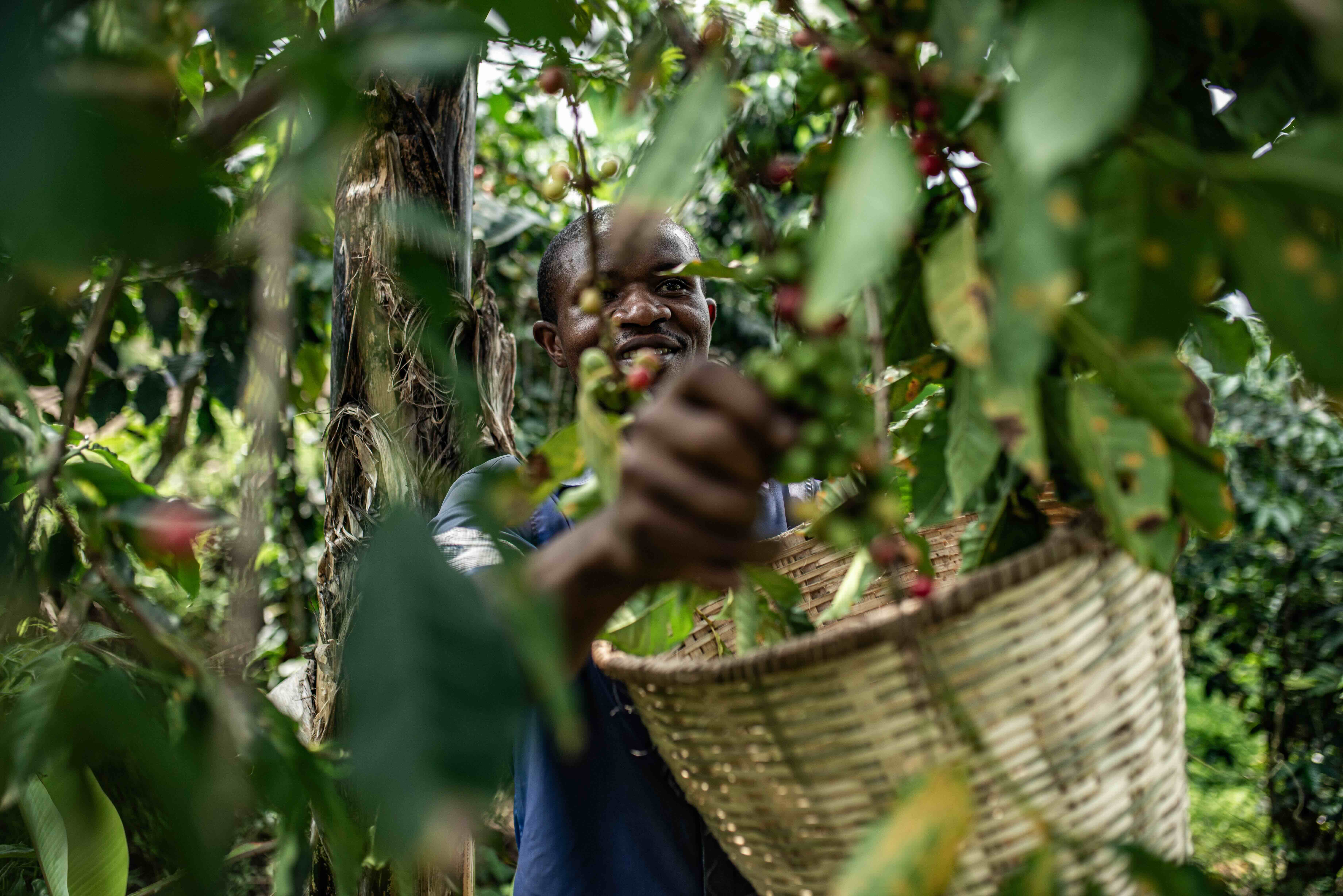
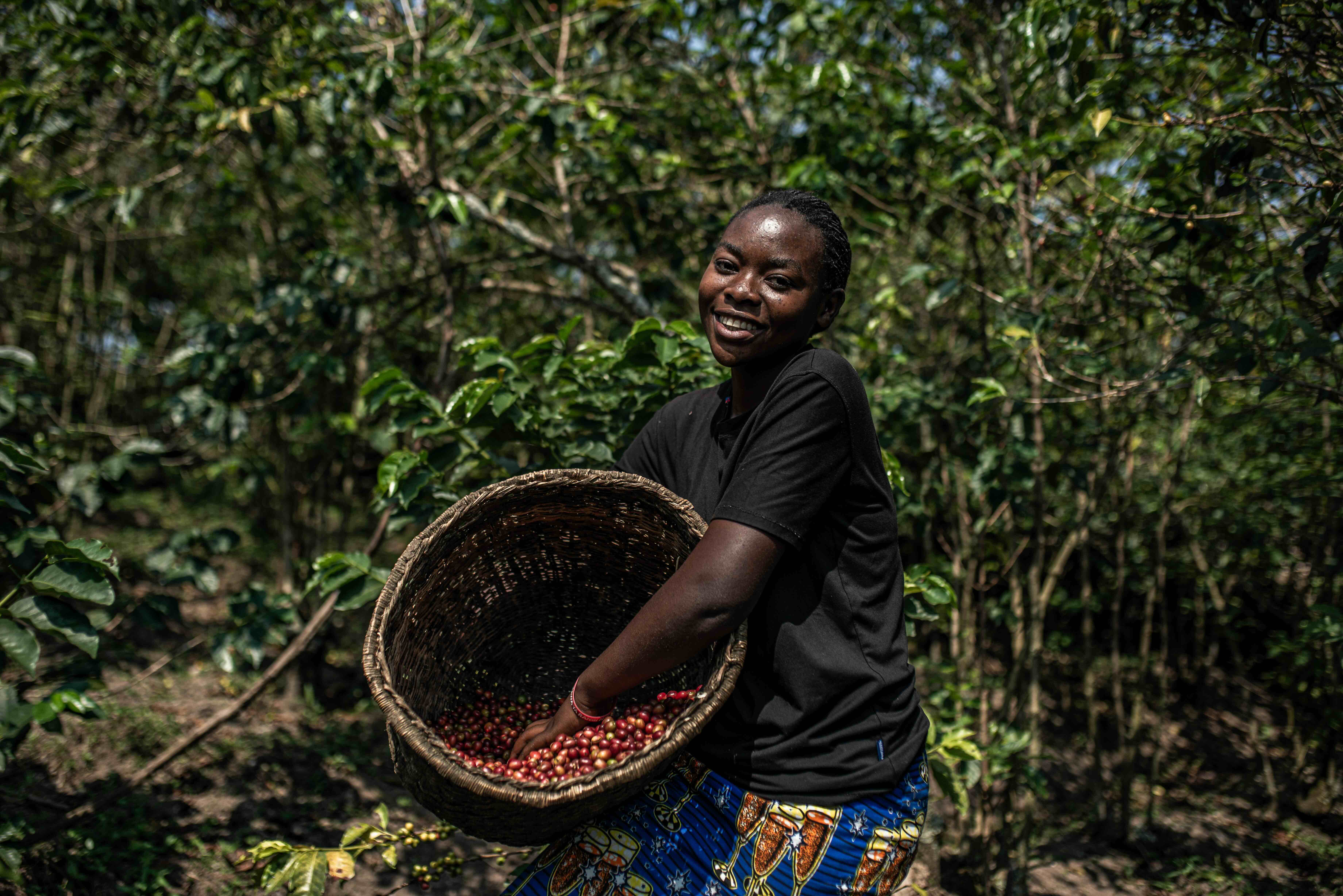
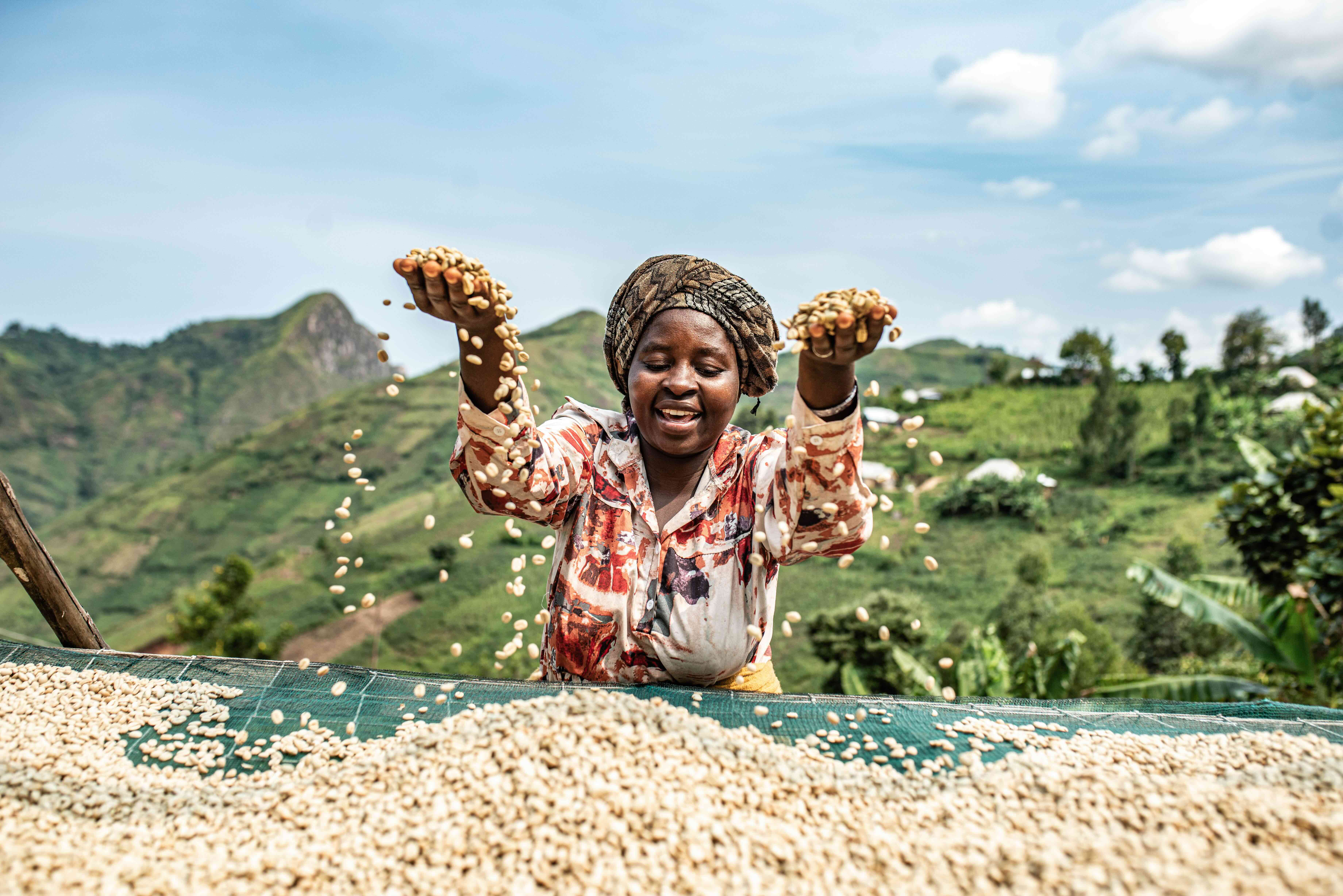
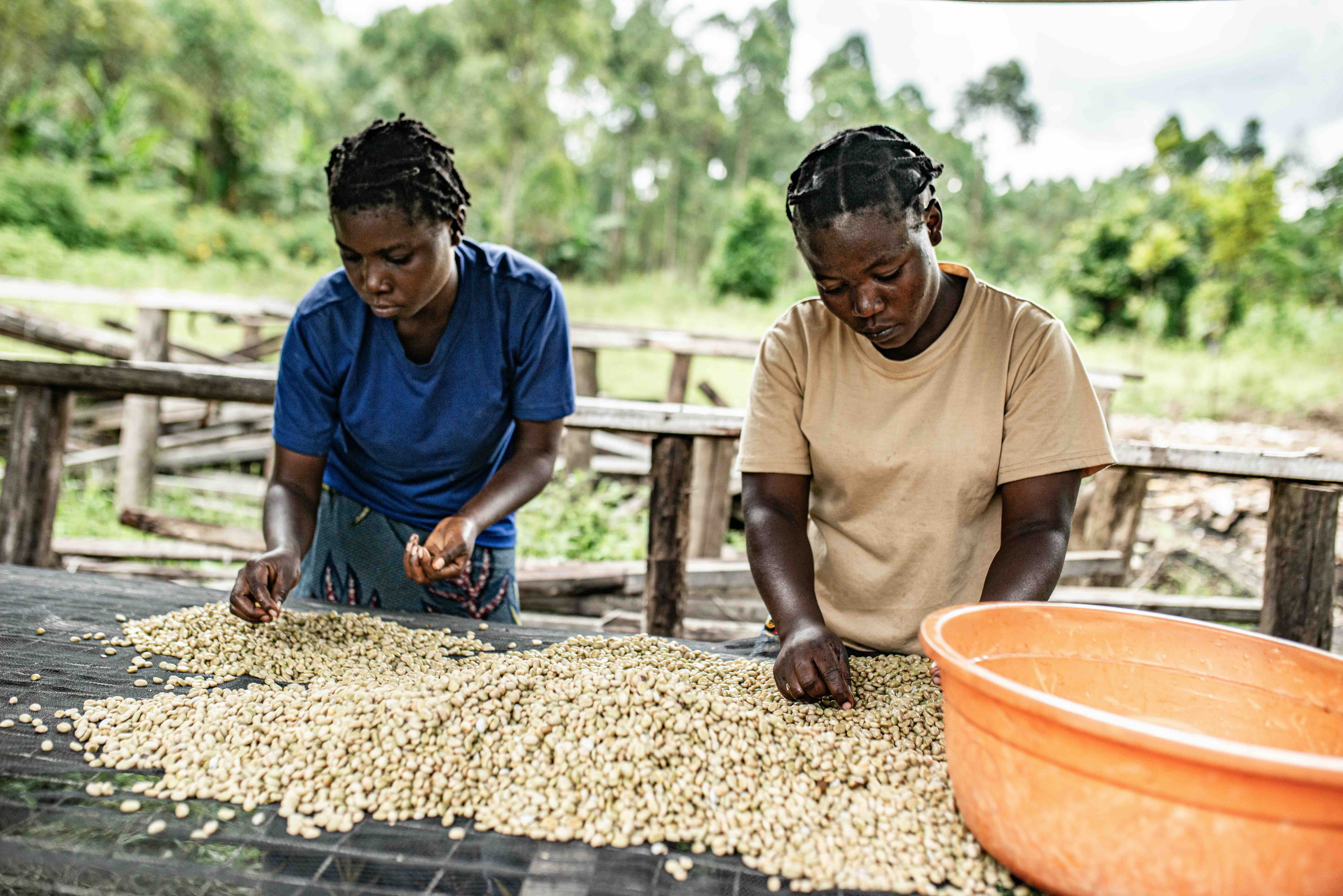
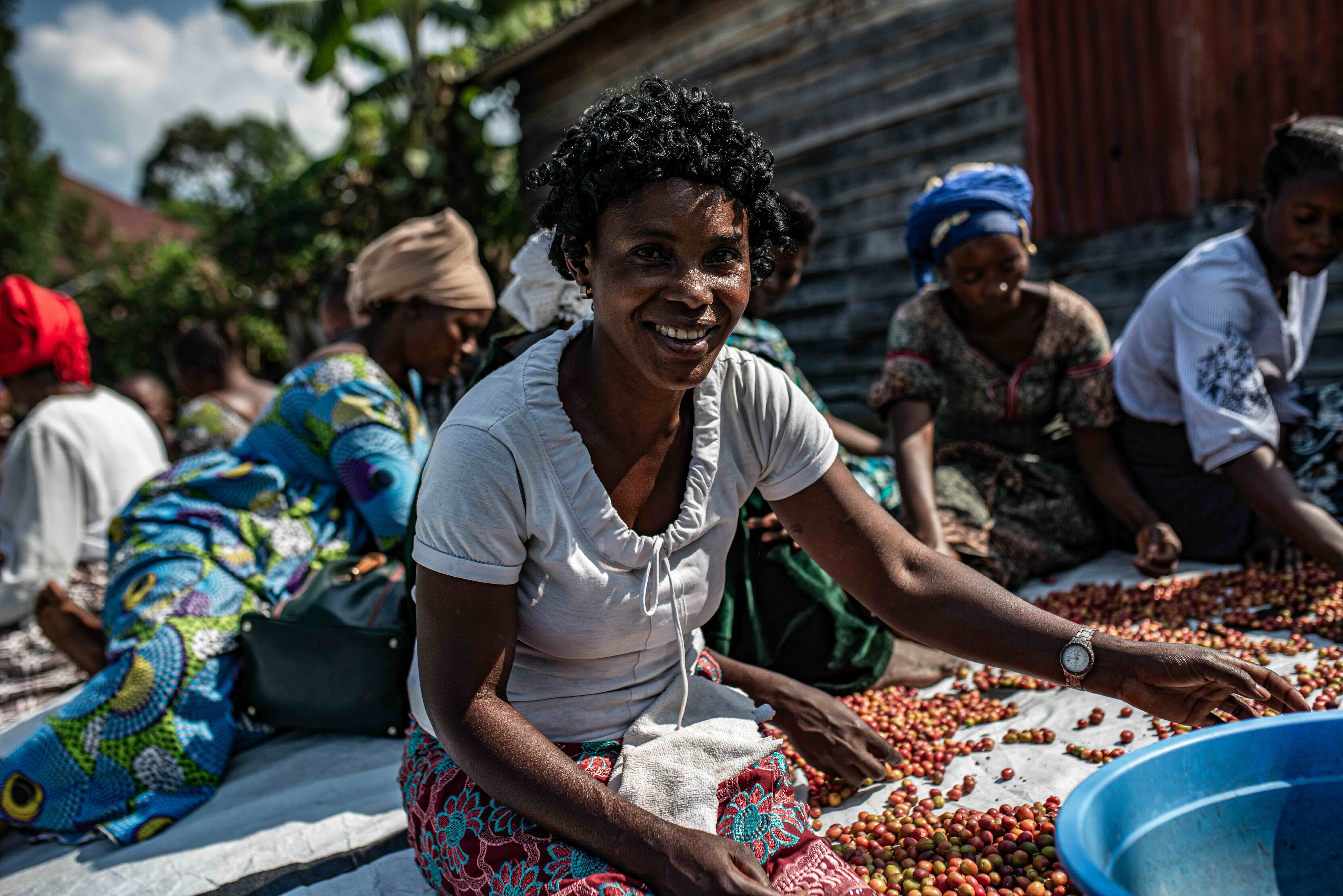
Cherries are selectively hand-picked at full ripeness, then manually sorted targeting a 21 Brix level and float-tested to isolate only dense, high-quality fruit. Cherries are then spread on raised drying beds, turned regularly for even airflow, and continuously sorted throughout the drying period to remove defects. Drying takes three to six weeks depending on conditions, with cherries rested until they reach 10–11% moisture before being stored in parchment ahead of hulling. The result is a coffee with notably more fruit, sweetness, and body.

Washed

1/4

Processing Methods

Natural

Cherries are selectively hand-picked at full ripeness, then manually sorted targeting a 21 Brix level and float-tested to isolate only dense, high-quality fruit. Cherries are then spread on raised drying beds, turned regularly for even airflow, and continuously sorted throughout the drying period to remove defects. Drying takes three to six weeks depending on conditions, with cherries rested until they reach 10–11% moisture before being stored in parchment ahead of hulling. The result is a coffee with notably more fruit, sweetness, and body.

Washed

1/4

Processing Methods

Natural

Cherries are selectively hand-picked at full ripeness, then manually sorted targeting a 21 Brix level and float-tested to isolate only dense, high-quality fruit. Cherries are then spread on raised drying beds, turned regularly for even airflow, and continuously sorted throughout the drying period to remove defects. Drying takes three to six weeks depending on conditions, with cherries rested until they reach 10–11% moisture before being stored in parchment ahead of hulling. The result is a coffee with notably more fruit, sweetness, and body.

Washed

1/4

Secure your sample set.

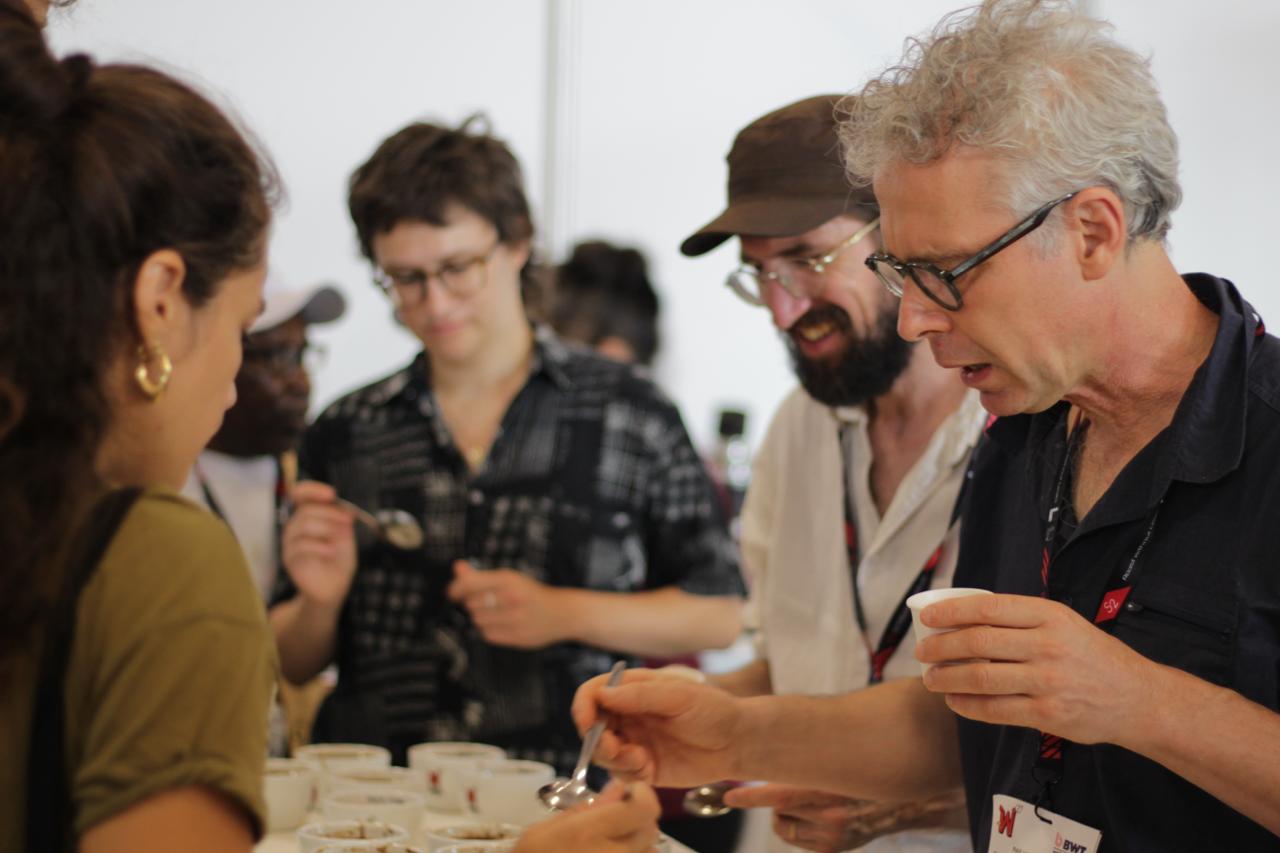
Sample sets are allocated on a first-come, first-served basis. Register now to taste the lots, join the auction, and be part of a competition that's writing the next chapter in the story of Congolese coffee.